Local Law 97 and Your NYC Renovation: How Energy Efficiency Rules Affect Kitchen and Bathroom Projects in 2026
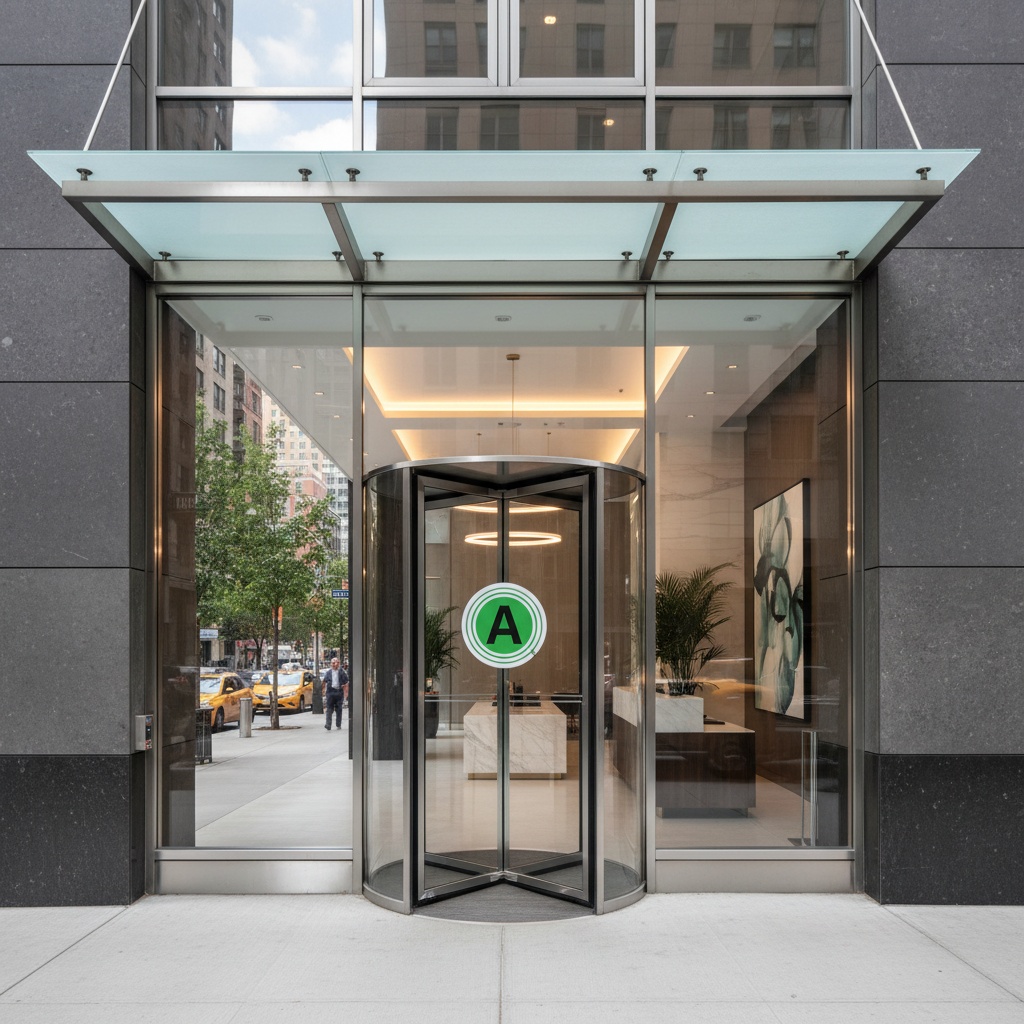
If you own a condo, co-op, or rent in a larger NYC building, you may have noticed a letter grade posted near your lobby entrance -- an A, B, C, or D rating your building's energy efficiency. That grade is not just a sticker. It is part of a set of interconnected NYC energy laws that are reshaping how buildings operate, how boards make capital decisions, and increasingly, how individual homeowners approach kitchen and bathroom renovations.
Here is what you need to know about how these laws work, what they mean for your building and your wallet, and how your next renovation can help -- or hurt -- your building's compliance.
The Energy Grade on Your Building's Door
Under Local Law 33 (originally Local Law 95), every NYC building over 25,000 square feet must display an annual energy efficiency letter grade near each public entrance. The grade is based on an ENERGY STAR score derived from your building's benchmarking data, submitted annually under Local Law 84.
The grading scale works like a school report card:
- A (score 85+) — Strong energy performance compared to similar buildings nationwide. Indicates efficient HVAC, optimized lighting, and careful energy monitoring.
- B (score 70-84) — Above average performance with room for improvement.
- C (score 55-69) — Average performance. The building is functional but not optimized.
- D (score below 55) — Below average. The building uses significantly more energy than comparable properties.
- F — The building failed to submit its benchmarking report entirely.
The ENERGY STAR score is calculated using EPA's Portfolio Manager tool, which compares your building's energy use to similar buildings in similar climates. It normalizes for weather -- a harsh winter or hot summer will not automatically lower your score. What matters is how efficiently your building uses energy relative to its peers.
Why the Grade Matters to You as a Resident
For condo owners and co-op shareholders, the building's energy grade has real financial implications:
- Property values — A D or F grade posted in the lobby raises uncomfortable questions for prospective buyers and can impact how your apartment is perceived during a sale. Buildings with better grades are increasingly seen as better-managed and more desirable.
- Common charges and maintenance fees — Buildings that consume excessive energy pass those costs through to residents. An inefficient building means higher monthly charges for everyone.
- Capital assessments — Buildings that need to upgrade boilers, HVAC systems, windows, or insulation to improve their grade often fund these projects through special assessments charged to unit owners.
- Rental appeal — For landlords and investors, a poor energy grade can make units harder to rent as tenants become more aware of what the grades mean.
In residential buildings, the ENERGY STAR score includes all energy usage by tenants, not just common area consumption. That means the collective choices residents make -- from appliance efficiency to lighting -- contribute to the building's overall grade.
Local Law 97: The Penalty Behind the Grade
While Local Law 33 makes energy performance visible, Local Law 97 imposes real financial penalties. This landmark climate legislation requires most buildings over 25,000 square feet to meet strict carbon emissions limits, with the first compliance period running from 2024 to 2029 and significantly stricter limits taking effect in 2030.
Key facts for 2026:
- $268 per metric ton penalty — Buildings that exceed their emissions limit pay $268 per metric ton of CO2 equivalent over the cap, assessed annually.
- May 2026 verification deadline — Buildings that elected a Good Faith Effort (GFE) pathway must demonstrate by May 1, 2026 that all promised energy efficiency work has been completed. Failure to verify triggers retroactive penalties for 2024 and 2025.
- Late filing penalties — Missing reporting deadlines costs $0.50 per square foot per month, with a minimum of $1,250 monthly.
- Annual reporting — Building owners must file emissions reports by May 1 each year, certified by a registered design professional.
For co-ops and condos, compliance costs are significant. Most NYC co-ops and condos are spending roughly 10-25% of their annual operating budgets on phased Local Law 97 upgrades over the next 3-7 years, primarily targeting boilers, heat pumps, building envelope improvements, and energy controls.
How Your Kitchen or Bathroom Renovation Fits In
When you renovate your kitchen or bathroom, the choices you make about appliances, fixtures, and systems directly affect your building's energy consumption and, by extension, its ENERGY STAR score and emissions profile.
Renovations that help your building's compliance:
- Induction cooktops — Replacing a gas range with an induction cooktop reduces your unit's direct emissions and aligns with NYC's broader electrification goals. NYSERDA offers rebates for switching from gas to electric cooking.
- ENERGY STAR appliances — Choosing refrigerators, dishwashers, and other appliances with ENERGY STAR certification reduces your unit's energy draw. In a building where tenant consumption counts toward the overall score, every efficient appliance helps.
- LED lighting — Replacing all kitchen and bathroom lighting with LED fixtures (including under-cabinet lighting) reduces electricity consumption significantly with minimal cost.
- Low-flow fixtures — Water-efficient faucets, showerheads, and toilets reduce both water consumption and the energy needed to heat that water.
- Heat pump water heaters — If your renovation involves replacing a water heater, a heat pump model is dramatically more efficient than conventional electric resistance heaters.
- Efficient ventilation — Modern bathroom exhaust fans and kitchen range hoods with ENERGY STAR ratings use less electricity while performing better than older models.
Renovations that can work against compliance:
- Oversized appliances — A massive commercial-style range or an oversized refrigerator consumes more energy. Consider whether you need the capacity or whether a right-sized, efficient model serves you better.
- Heated floors without controls — Radiant floor heating is popular, but running it without programmable thermostats or timers wastes energy. Always install with smart controls.
- Excessive lighting without dimmers — Layered lighting is great design, but every fixture should be on dimmers or smart switches to avoid unnecessary consumption.
What to Ask Your Board Before Renovating
If your building is subject to Local Law 97, it is worth having a conversation with your board or management company before finalizing your renovation plans:
- What is the building's current ENERGY STAR score and letter grade?
- Is the building on a Good Faith Effort or Decarbonization Plan pathway?
- Are there upcoming capital projects (boiler replacement, window upgrades) that could affect renovation timing?
- Does the board have guidelines or incentives for energy-efficient appliance choices in individual units?
- Are there restrictions on gas appliances in new renovations?
Some forward-thinking boards are beginning to require or incentivize energy-efficient choices in individual unit renovations as part of their broader compliance strategy.
The Bottom Line for NYC Homeowners
NYC's energy efficiency laws are not abstract policy -- they affect property values, monthly costs, and renovation decisions in tangible ways. The letter grade on your building's lobby door tells a story about how well your building is managed and how much you are likely to pay in energy costs.
When you plan your next kitchen or bathroom renovation, thinking about energy efficiency is no longer optional. It is part of being a responsible owner in a building that faces real compliance deadlines and real financial penalties.
At Elements Kitchen & Bath, we help NYC homeowners design kitchens and bathrooms that are beautiful, functional, and energy-conscious. From ENERGY STAR appliance selection to efficient lighting and fixture planning, we build energy awareness into every project.
Contact us today for a free consultation and let us help you plan a renovation that works for your home and your building's future.