Park Slope Kitchen and Bathroom Renovation: Blending Brownstone Character with Modern Design
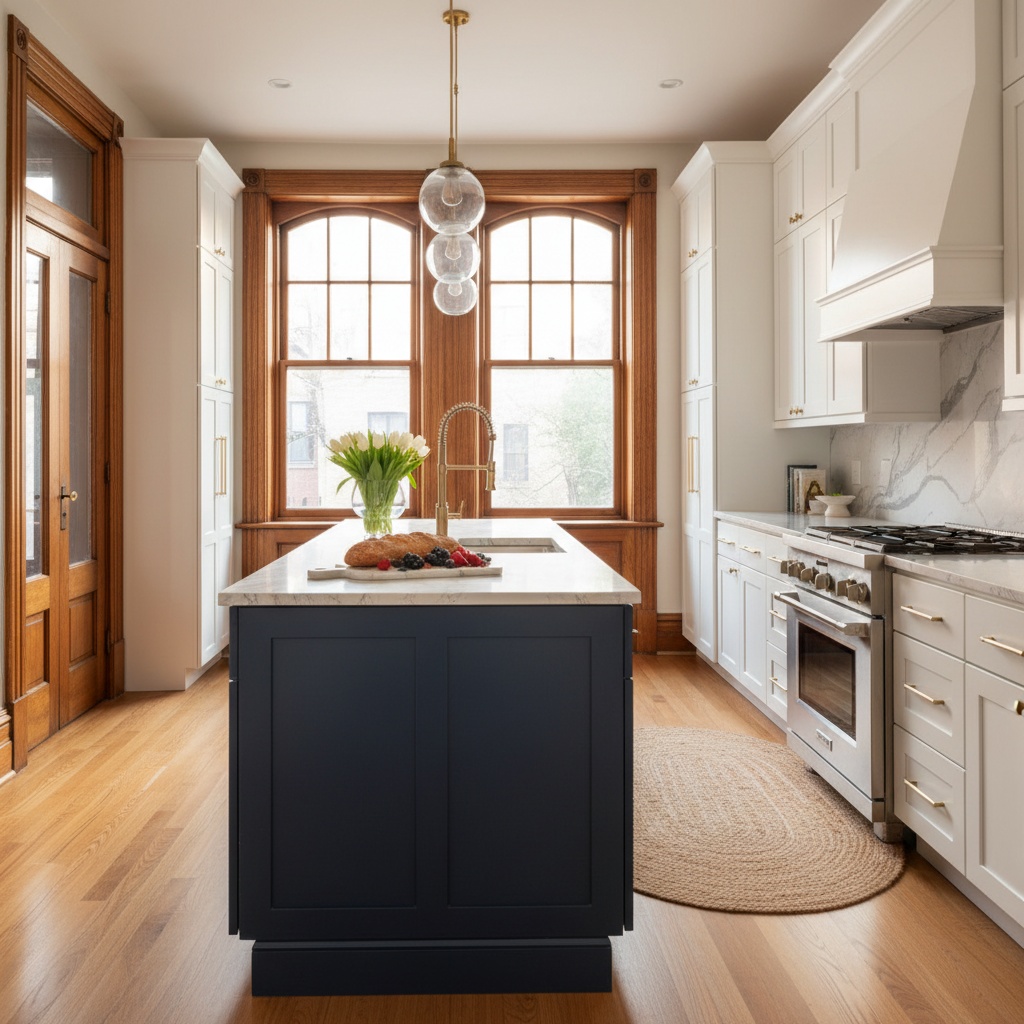
Park Slope is one of Brooklyn's most architecturally distinctive neighborhoods. Its tree-lined streets are defined by rows of limestone and brownstone townhouses built in the late 1800s and early 1900s, each with details that modern construction rarely replicates -- original wood moldings, plaster medallions, pocket doors, and stained glass transoms.
Renovating a kitchen or bathroom in one of these homes is a balancing act. Push too far toward modern and you erase the character that makes the home special. Stay too traditional and you miss the chance to create a space that works for how families actually live today. The best Park Slope renovations find the sweet spot between the two.
The Park Slope Renovation Philosophy
The most successful brownstone renovations in Park Slope share a common approach: modern interventions in the kitchen and bathroom are designed to contrast with, rather than replace, the home's original architectural details.
This means preserving and refinishing original window moldings, wood casings, and crown moldings throughout the home, while introducing clean-lined cabinetry, contemporary fixtures, and updated materials in the kitchen and bathroom. The contrast between old and new is intentional -- it celebrates the building's history while making it clear the home has been thoughtfully updated for modern life.
Kitchen Renovation: Where History Meets Function
Park Slope brownstone kitchens often face a common challenge: they were originally designed as utility spaces, tucked in the back or basement of the home, with limited natural light and an awkward layout that does not connect well to the main living areas.
One of the most popular renovation strategies is relocating the kitchen into the former dining room or parlor floor, where tall ceilings, large windows, and original architectural details create a dramatically different cooking and entertaining environment. This move transforms the kitchen from a hidden workspace into the heart of the home.
Design elements trending in Park Slope kitchens include:
- Two-tone cabinetry — White or light-toned upper cabinets paired with a navy, forest green, or warm wood-toned island. This approach adds visual depth without overwhelming the room and complements the warm tones of original brownstone woodwork.
- Quartzite and marble countertops — Natural stone with movement and veining that echoes the organic quality of the home's original materials. Quartzite offers marble's beauty with significantly better durability for families.
- Professional-grade appliances — Many Park Slope homeowners invest in high-performance ranges (Lacanche, Wolf, or BlueStar) and integrated refrigeration that blends into the cabinetry for a seamless look.
- Open shelving mixed with closed storage — A few floating shelves in one zone to display cookbooks and ceramics, with the rest of the storage behind closed cabinet doors for practicality.
- Warm metal hardware — Brushed brass and champagne bronze pulls that complement the home's original brass door hardware and light fixtures.
Bathroom Renovation: Light, Materials, and Space
Brownstone bathrooms present their own set of challenges. Original bathrooms were small, often interior rooms with no windows, and many homes had only one full bathroom for the entire family. Modern renovations typically add bathrooms on upper floors and reimagine existing ones with better light, ventilation, and finishes.
Key trends in Park Slope bathroom renovations include:
- Skylights and borrowed light — Whenever possible, adding skylights or interior windows that bring natural light into bathrooms that were never designed to have it. This single change transforms the feel of the space more than any fixture or tile selection.
- Natural material palettes — Marble, stone, and warm wood tones that connect to the organic quality of the brownstone's original materials. The 2026 palette leans toward warm neutrals -- soft beige, taupe, and muted sage -- rather than the cool grays that dominated previous years.
- Large-format tile with minimal grout lines — Creating a seamless, spa-like environment that makes smaller bathrooms feel more spacious and refined.
- Floating vanities — Wall-mounted vanities that expose the floor and create the illusion of more space, often in warm wood tones or custom millwork that echoes details elsewhere in the home.
- Heated flooring — Radiant floor heating is particularly popular in brownstone bathrooms, where original floors can feel cold in winter. Electric systems are affordable to install ($8-$20/sq ft) and cost pennies per day to operate.
Preserving What Makes It Special
The most important principle in any Park Slope brownstone renovation is knowing what to keep. Before demolition begins, a thorough survey of the home's original details should identify elements worth preserving or restoring:
- Window and door moldings — Original wood casings around windows and doors are often in good condition beneath layers of paint. Stripping and refinishing these details is far less expensive than replacing them and maintains the home's authenticity.
- Plaster details — Crown moldings, ceiling medallions, and decorative plaster work should be repaired rather than removed whenever possible. A skilled plasterer can restore damaged sections to match the original profile.
- Hardware — Original door knobs, hinges, and window latches can often be cleaned, repaired, and reused. Their patina and craftsmanship cannot be replicated by modern reproductions.
- Floors — Original hardwood floors throughout the home should be refinished, not replaced. The new kitchen and bathroom can use complementary materials (tile, stone) while the rest of the home retains its original flooring.
Permits and Landmark Considerations
Many Park Slope brownstones sit within the Park Slope Historic District, which means exterior work requires Landmarks Preservation Commission (LPC) approval before DOB permits can be issued. Interior renovations typically do not require LPC review, but any work visible from the street (windows, doors, facade elements) does.
For interior kitchen and bathroom renovations, an Alt-2 permit is typically required if the work involves plumbing relocation, new electrical circuits, or ventilation changes. Board approval timelines vary -- Park Slope co-ops and condos generally follow the standard 4-8 week review process, but landmark district requirements can add 4-12 weeks for exterior-facing elements.
Ready to Renovate Your Park Slope Brownstone?
A Park Slope kitchen or bathroom renovation is an opportunity to honor the craftsmanship of a building that has stood for over a century while creating spaces that work beautifully for modern life. The key is working with a team that understands both the architectural heritage and the practical demands of contemporary living.
At Elements Kitchen & Bath, we specialize in brownstone renovations across Park Slope, Brooklyn Heights, and Cobble Hill. We understand how to navigate landmark districts, preserve original details, and design kitchens and bathrooms that feel both timeless and thoroughly modern.
Contact us today for a free consultation and let us help you create a renovation that your brownstone deserves.