Walk-In Shower Installation in 2026: Frameless Glass, Curbless Designs, and What NYC Homeowners Need to Know
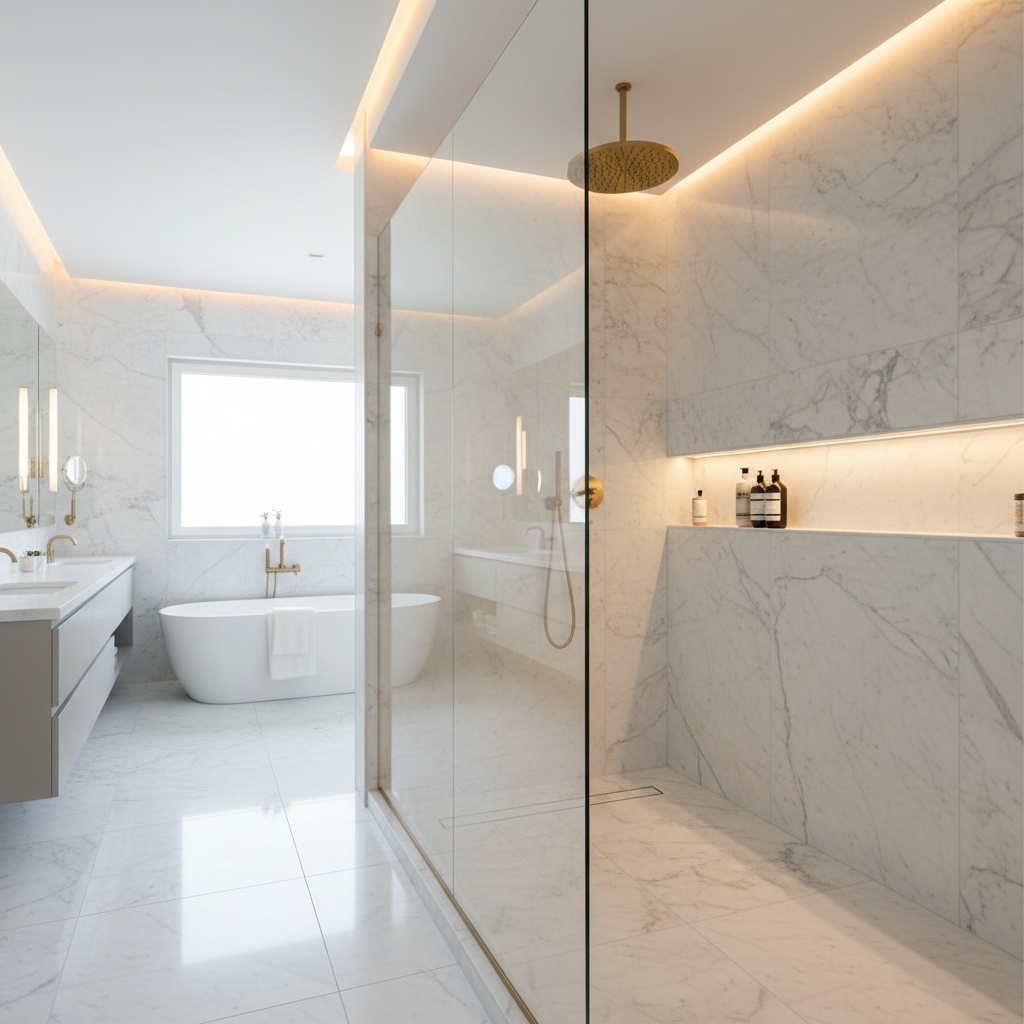
Walk-in showers have become the defining feature of modern bathroom design, and in 2026, the trend is stronger than ever. Frameless glass panels, curbless entries, and spa-inspired configurations are no longer reserved for luxury builds -- they are now the standard that NYC homeowners expect from any serious bathroom renovation.
Whether you are upgrading a Manhattan co-op bathroom or renovating a Brooklyn brownstone, here is what you need to know about walk-in shower installation in 2026.
Why Walk-In Showers Dominate in 2026
The shift toward walk-in showers reflects a broader movement in bathroom design: open, airy spaces that feel restorative rather than cramped. Traditional tub-shower combos are being replaced by spacious walk-in configurations that make even small NYC bathrooms feel significantly larger.
The appeal goes beyond aesthetics. Walk-in showers are easier to clean, more accessible for all ages and mobility levels, and offer a more flexible canvas for premium materials and fixtures. For NYC apartments where square footage is limited, a well-designed walk-in shower can transform the entire feel of the bathroom.
Frameless vs. Semi-Frameless Glass: Which Is Right for You?
Frameless glass is the top choice for homeowners seeking a clean, modern look. Using thicker safety glass (typically 3/8" to 1/2"), frameless panels stay rigid without bulky metal frames, creating a seamless visual that makes the shower feel like part of the room rather than a separate enclosure.
Semi-frameless options offer a middle ground -- slightly more affordable with added structural support, while still delivering a sleek, contemporary appearance. In 2026, both styles are popular because they serve different priorities:
- Frameless — Maximum elegance, uninterrupted sightlines, easier to clean with fewer crevices for buildup. Best for homeowners who want a true spa-like aesthetic.
- Semi-frameless — Practical balance of style and budget, with slim metal accents that can complement hardware finishes throughout the bathroom.
The biggest trend in shower glass for 2026 is larger panels with fewer visual breaks, paired with intentional metal finishes like brushed brass, matte black, or champagne bronze that tie into the rest of the room.
The Rise of Curbless Showers
Curbless showers have moved from niche to mainstream in 2026. By eliminating the traditional step or curb, these designs create a smooth, uninterrupted transition from the bathroom floor into the shower area.
The benefits are significant:
- Visual expansion — Without a curb breaking up the floor, the bathroom reads as one continuous space, making it feel larger.
- Accessibility — Curbless entries are essential for aging-in-place design and meet universal accessibility standards. They accommodate wheelchair users, reduce trip hazards, and make the bathroom safer for everyone.
- Design flexibility — A curbless shower pairs naturally with large-format floor tiles that flow seamlessly from the bathroom into the shower, creating a cohesive, spa-like environment.
Proper installation is critical. A curbless shower requires precise floor sloping (typically a 2% grade toward the drain) and robust waterproofing to prevent leaks -- especially important in NYC apartments where water damage to the unit below can lead to costly disputes.
Waterproofing: The Most Important Step You Cannot See
In any walk-in shower installation, waterproofing is the foundation that everything else depends on. This is especially true in NYC, where apartment buildings have strict rules about water damage and most co-op and condo boards require proof of proper waterproofing before approving bathroom renovations.
A professional waterproofing system includes several layers:
- Pre-slope beneath the waterproof membrane to direct water toward the drain and prevent pooling
- Waterproof membrane (sheet or liquid-applied) covering the entire shower floor and walls to a minimum height of 6 feet
- Seam tape and dam corners to reinforce the most vulnerable areas where walls meet the floor
- Waterproof backer board replacing standard drywall in all wet areas
- Flood testing before tile installation -- plugging the drain and filling the shower pan with water for at least two hours to verify the membrane's integrity
Skipping or cutting corners on waterproofing is the single most common cause of shower failures. A proper waterproofing system has a lifespan of 25 to 30 years with minimal maintenance.
Design Trends for Walk-In Showers in 2026
Beyond glass and layout, several design elements are shaping walk-in showers this year:
- Multi-outlet shower systems — Rainfall heads, body sprays, and handheld components that deliver a customizable, spa-level experience
- Large-format tile — 12x24 or larger tiles with minimal grout lines create a seamless, architectural look. Using the same tile on walls and floors enhances the sense of space.
- Warm earth tones — Soft clay, mushroom, warm sand, and muted beige palettes that create a calming, grounding atmosphere
- Recessed niches — Built-in shower niches for storage that keep surfaces clutter-free without stealing floor space
- Linear drains — Sleek, low-profile drains that sit flush with the floor, complementing the clean lines of a curbless design
NYC-Specific Considerations
Installing a walk-in shower in a New York City apartment comes with unique requirements:
- DOB permits — If the project involves plumbing relocation, new electrical circuits (for heated floors or steam units), or ventilation changes, an Alt-2 permit is typically required.
- Building approval — Most co-op and condo boards require a detailed scope of work, contractor insurance documentation, and proof of waterproofing before granting approval.
- Wet-over-dry rule — If your shower relocation would place a wet area over a dry area in the apartment below, the project may not be permitted by your building.
- Structural considerations — In pre-war buildings, floor reinforcement may be needed to support heavy stone tile or a curbless shower pan system.
Ready to Install Your Walk-In Shower?
A walk-in shower is one of the highest-impact upgrades you can make to your NYC bathroom. It adds value, improves daily comfort, and creates the kind of spa-like atmosphere that makes your home feel like a retreat.
At Elements Kitchen & Bath, we specialize in walk-in shower installations across Brooklyn, Manhattan, and Queens -- from frameless glass enclosures to fully curbless, accessible designs. We handle waterproofing, permits, and building approvals so you can focus on choosing the finishes you love.
Contact us today for a free consultation and let us help you design the perfect walk-in shower for your home.